2026-10-13 ·
Why Does Your Dryer Take Too Long to Dry Clothes?
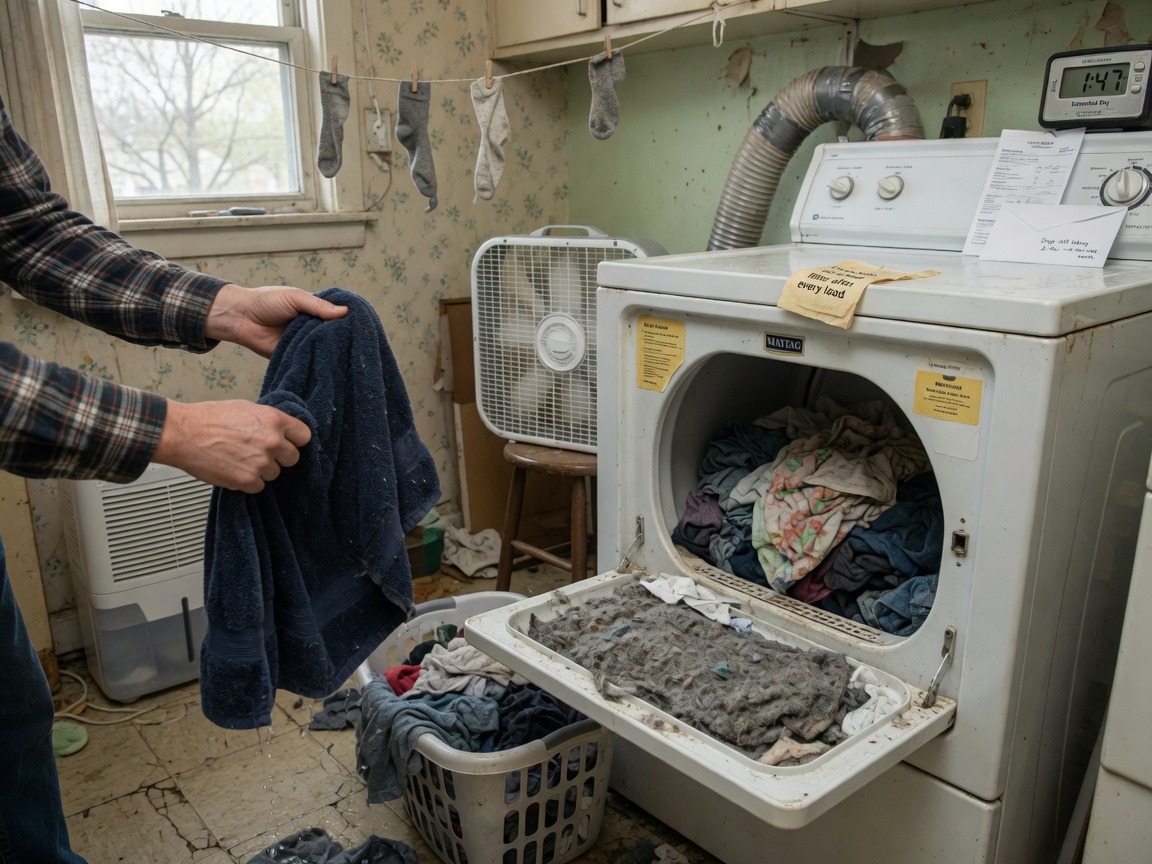
Your dryer might take 45–60 minutes to dry a load in Spring Grove, IL—twice as long as it should—due to a few key factors tied to our area’s climate and home setup. In McHenry County, where humid summers and cold winters stress appliances, common culprits include clogged vents, worn heating elements, or faulty thermostats. Let’s break down the most likely issues and how to address them, whether you live in Downtown Spring Grove, Prairie View, or near Spring Grove Dam, where Nippersink Creek’s moisture can even affect home ventilation.
Clogged Dryer Vents: The #1 Culprit for Slow Drying in Spring Grove
If your dryer takes longer to dry clothes than usual, start with the most common issue in Spring Grove: clogged vents. In neighborhoods like Prairie View, where many homes have older metal ductwork, leaves from nearby trees (especially near Spring Grove Village Park) and dust from McHenry County’s dry winds can build up in vents, restricting airflow. A blocked vent reduces heat circulation, forcing your dryer to run longer to evaporate moisture. Homeowners in Downtown Spring Grove, with older homes, often notice this because their original vent systems are less insulated and more prone to lint buildup. To check, remove the vent hose from the back of the dryer—if you can’t see light through it, it’s likely clogged. For a quick fix, clean the lint trap after every load (a habit that cuts drying time by 20% in our area). For deeper cleaning, schedule a professional dryer vent cleaning service, which our team offers to residents in Spring Grove, Richmond, and Johnsburg.
Humidity in Summer: Why Your Dryer Struggles When It’s Hot and Muggy
Spring Grove’s humid continental climate means summer humidity can make drying clothes feel impossible. In July and August, when dew points rise above 60°F, the air holds more moisture, making it harder for your dryer to extract water from fabrics. Homes with poor ventilation—common in older Downtown Spring Grove houses—trap this humidity, forcing the dryer to work overtime. If you live near Nippersink Creek, where moisture levels are naturally higher, this effect is even more pronounced. To combat this, use a dehumidifier in your laundry room while drying, or run the dryer during cooler parts of the day (early morning or evening). If your dryer still struggles, check the exhaust fan outside—if it’s blocked by debris, it can’t push moist air out efficiently.
Worn Heating Elements: A Common Issue in 10+ Year-Old Appliances
Most dryers in Spring Grove last 8–12 years, but older models often develop worn heating elements that reduce heat output. In homes with appliances over 10 years old—especially those in established neighborhoods like Prairie View—elements can burn out, leading to longer drying times. The heating element works harder in winter, when cold air reduces efficiency, and in summer, when humidity demands more heat. Signs of a bad element include clothes that feel damp even after a full cycle or a dryer that takes 2–3 cycles to dry a load. Replacing a heating element costs $150–$300, depending on the model. If your dryer is over 10 years old, it might be cheaper to replace it than repair it—our team can help you weigh your options.
Faulty Thermostats: How They Keep Your Dryer from Reaching High Heat
A faulty thermostat is another culprit in slow-drying dryers. Thermostats regulate the dryer’s temperature, but in Spring Grove’s extreme weather, they can wear out faster. In winter, cold temperatures can cause thermostats to misfire, preventing the dryer from reaching its maximum heat (130–140°F). In summer, high humidity can overload the thermostat, causing it to shut off prematurely. Signs of a bad thermostat include clothes that never feel fully dry, even when the dryer is on high heat, or a dryer that beeps repeatedly. If you suspect a thermostat issue, turn off the power to the dryer before inspecting it—these components can be dangerous. For a safe fix, call our 24/7 service team, which specializes in diagnosing and repairing thermostats in Spring Grove homes.
Quick Fixes for Spring Grove Homes: What You Can Check Today
Before calling a pro, try these simple fixes tailored to Spring Grove’s climate and homes: - Clean the lint trap: A full trap reduces airflow by 30–50%, so empty it after every load. - Inspect the vent hose: Look for kinks, cracks, or blockages (especially near windows or doors, where leaves collect). - Check the door seal: A torn seal lets warm air escape, extending drying time. Press a piece of paper between the door and the drum—if it slides out easily, the seal needs replacing. - Clean the exhaust fan: Debris from Spring Grove Village Park can block the fan, so wipe it down with a damp cloth. If these fixes don’t work, it’s time to call in a professional.